
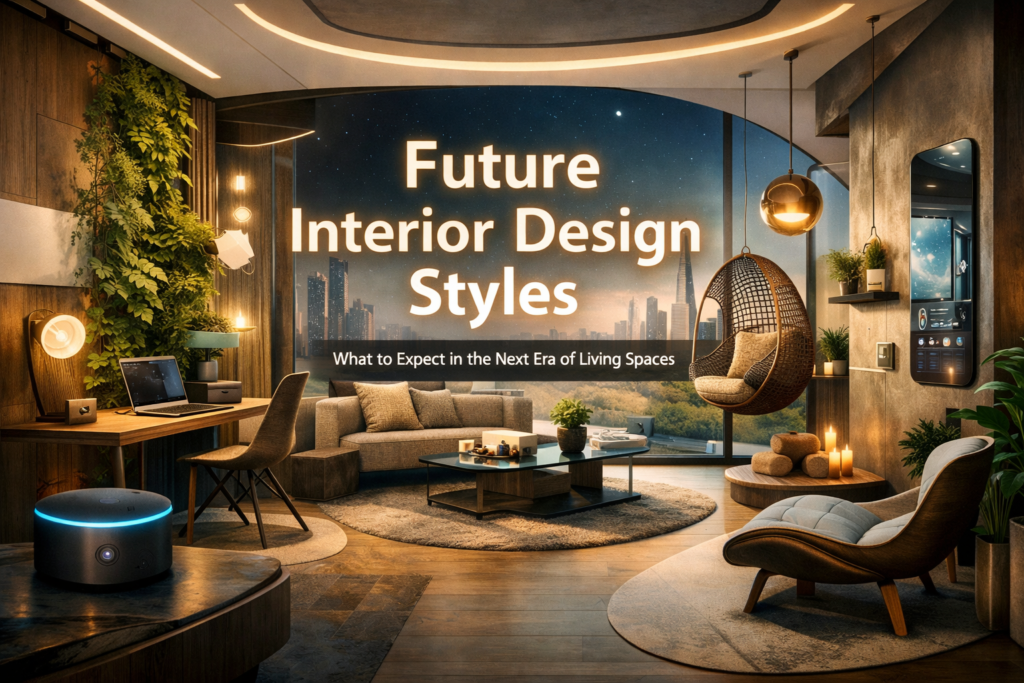
The world of interiors is evolving faster than ever. As lifestyles shift, technology advances, and sustainability becomes essential, future interior design styles are redefining how we live, work, and relax at home. In 2026 and beyond, homes will be smarter, more sustainable, multifunctional, and deeply personalized.
If you’re planning to refresh your home or design a new space, understanding upcoming aesthetics and innovations is crucial. For broader inspiration and evolving ideas, explore the latest interior design trends at Builtup Home.
Let’s explore the most exciting future interior design styles shaping modern homes.
1. Sustainable & Eco-Conscious Design
Sustainability is no longer a niche preference—it’s the foundation of future interiors.
Key Features:
- Recycled and reclaimed materials
- Energy-efficient lighting and appliances
- Bamboo, cork, and responsibly sourced wood
- Non-toxic paints and finishes
Homeowners are increasingly choosing furniture made from recycled materials and embracing energy-saving technologies. The goal is to create spaces that are stylish while reducing environmental impact.
Why It Matters: Sustainable interiors lower carbon footprints and create healthier indoor environments.
2. Smart & Tech-Integrated Spaces
Technology is seamlessly blending with interior design. Future homes will be fully integrated with smart systems that enhance comfort and efficiency.
Innovations Include:
- Voice-controlled lighting and climate systems
- Smart mirrors and interactive surfaces
- Hidden charging stations
- AI-powered home automation
Designers are focusing on discreet technology—integrated in walls, furniture, and décor—so spaces remain clean and uncluttered.
3. Multifunctional & Flexible Layouts
With remote work and hybrid lifestyles becoming standard, multifunctional spaces are essential.
Design Approaches:
- Foldable desks and wall-mounted workstations
- Convertible sofas and Murphy beds
- Sliding partitions for adaptable rooms
- Modular furniture systems
Future interiors prioritize adaptability, allowing one room to serve multiple purposes without compromising style.
4. Biophilic & Nature-Inspired Interiors
Bringing nature indoors continues to gain momentum. Biophilic design connects occupants to natural elements, promoting wellness and tranquility.
Elements to Expect:
- Indoor gardens and living walls
- Large windows for natural light
- Organic textures like stone and linen
- Earthy color palettes (sage green, clay, sand tones)
Nature-inspired spaces improve mental well-being while creating visually calming environments.
5. Minimalist Luxury
Minimalism is evolving. Future minimalist interiors focus on quality over quantity, blending simplicity with elegance.
Characteristics:
- Neutral palettes with subtle contrasts
- Sculptural furniture pieces
- Clean lines with soft textures
- Statement lighting fixtures
Instead of stark spaces, the new minimalism feels warm, inviting, and refined.
6. Bold Personalization
Future interior design styles emphasize individuality. Homes are becoming expressions of personality rather than copies of trends.
Popular Personal Touches:
- Custom art installations
- Unique color blocking
- Vintage-modern blends
- Handmade and artisan décor
Personal storytelling through design will dominate, ensuring no two homes look the same.
7. Textured & Sensory Design
Interiors are becoming more tactile and sensory-focused.
Design Trends:
- Layered fabrics and soft furnishings
- 3D wall panels
- Curved architecture
- Mixed materials (wood + metal + stone)
The focus is on how spaces feel—not just how they look.
8. Retro-Futurism & Modern Nostalgia
Designers are blending vintage inspiration with futuristic elements.
Examples:
- 70s-inspired color palettes
- Rounded furniture silhouettes
- Chrome and metallic finishes
- Futuristic lighting designs
This style balances nostalgia with innovation, creating visually dynamic interiors.
9. Wellness-Centered Spaces
Homes are becoming wellness sanctuaries.
Features Include:
- Meditation corners
- Spa-like bathrooms
- Ergonomic furniture
- Soundproof relaxation zones
Designers prioritize comfort, mental clarity, and emotional balance.
10. Global & Cultural Fusion
Future interior design styles celebrate diversity by mixing global influences.
What You’ll See:
- Moroccan tiles with Scandinavian furniture
- Japanese-inspired minimalism
- Mediterranean textures
- African prints and patterns
Cultural fusion creates rich, layered spaces full of character.
The Future Is Personal, Smart & Sustainable
The future of interior design is about more than aesthetics—it’s about function, sustainability, wellness, and individuality. Homes will become smarter, greener, and more adaptable while reflecting personal identity.
By staying updated with evolving styles and exploring the latest ideas from Builtup Home, you can create a space that feels modern today and timeless tomorrow.
FAQs About Future Interior Design Styles
1. What is the biggest trend in future interior design styles?
Sustainability and smart home integration are leading the way, combining eco-conscious materials with advanced technology.
2. How can I prepare my home for future design trends?
Start with flexible furniture, neutral foundations, energy-efficient upgrades, and add smart technology gradually.
3. Are minimalist interiors still popular in the future?
Yes, but with a warmer and more luxurious touch—focusing on comfort and texture rather than stark simplicity.
4. What colors will dominate future interiors?
Earth tones, muted neutrals, clay shades, sage green, and deep organic hues will be popular.
5. Is technology replacing traditional design elements?
No. Instead, technology is blending seamlessly into interiors, enhancing convenience without compromising aesthetics.