
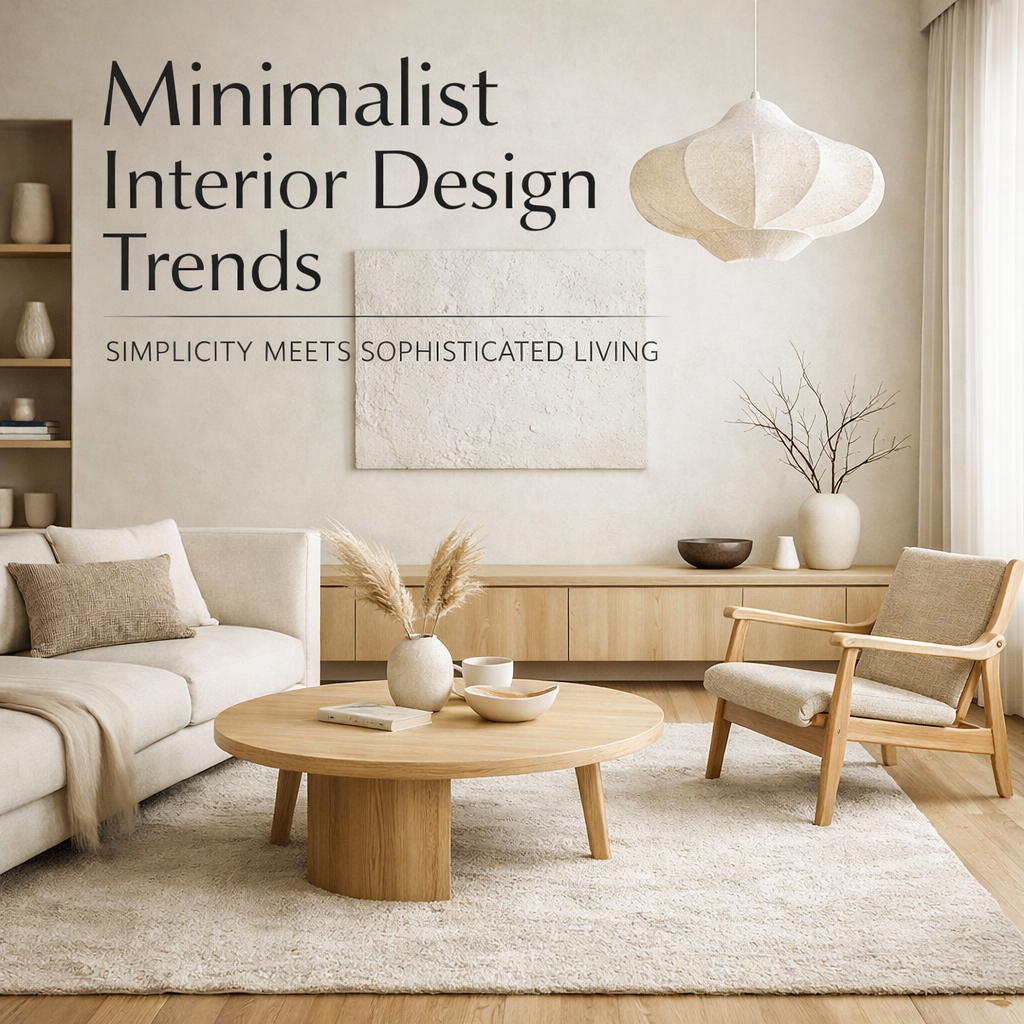
Minimalist interior design continues to dominate modern homes in 2026. Rooted in the philosophy of “less is more,” this style focuses on clean lines, uncluttered spaces, neutral palettes, and functional beauty. Today’s minimalist interior design trends go beyond plain white walls—they blend warmth, texture, and personality while maintaining simplicity.
If you’re exploring the latest interior design trends, you’ll notice that minimalism is evolving into a softer, more livable version of its original form. For deeper inspiration and expert insights, explore these detailed interior design trends on Builtup Home.
What Is Minimalist Interior Design?
Minimalist interior design is about intentional living. Each piece in the space is intentionally selected to serve a specific function. Instead of excessive décor and bold clutter, minimalism highlights:
- Functional furniture
- Clean architectural lines
- Neutral and earthy tones
- Open, airy layouts
- High-quality materials
The goal is to create calm, peaceful environments that feel spacious and organized.
Top Minimalist Interior Design Trends in 2026
1. Warm Minimalism
Traditional minimalism often featured stark whites and cool tones. In 2026, warm minimalism is taking over. Think:
- Beige, taupe, and soft brown hues
- Warm wood finishes
- Natural fabrics like linen and cotton
- Soft ambient lighting
This approach creates inviting spaces while maintaining a clean aesthetic.
2. Functional Multi-Purpose Spaces
Modern homes require flexibility. Minimalist interiors now emphasize multi-functional rooms such as:
- Living rooms doubling as workspaces
- Foldable or hidden storage solutions
- Convertible furniture pieces
This trend ensures your space stays uncluttered while adapting to daily needs.
3. Hidden Storage Solutions
Minimalism thrives on organization. Built-in cabinets, under-bed drawers, and wall-integrated shelving help maintain a streamlined look.
Popular storage ideas include:
- Handle-less cabinets
- Floating shelves
- Concealed kitchen appliances
- Built-in wardrobes
These features keep visual noise to a minimum.
4. Statement Simplicity
Instead of multiple decorative pieces, minimalist interiors focus on one or two standout elements:
- A sculptural light fixture
- A textured feature wall
- A single oversized artwork
- A bold yet simple sofa
This approach prevents overcrowding while maintaining visual interest.
5. Natural Materials & Sustainability
Minimalism aligns perfectly with eco-conscious living. Sustainable materials are now a major trend, including:
- Reclaimed wood
- Stone accents
- Bamboo furniture
- Organic textiles
Choosing quality over quantity not only reduces waste but enhances durability.
6. Neutral Palettes with Depth
Neutral colors remain central to minimalist design. However, instead of plain white, designers now layer:
- Cream and ivory
- Soft gray tones
- Earth-inspired shades
- Muted greens and warm terracotta
Layering tones adds dimension without overwhelming the space.
7. Minimalist Lighting Design
Lighting plays a crucial role in minimalist interiors. Key lighting trends include:
- Recessed ceiling lights
- Slim pendant fixtures
- Floor lamps with clean silhouettes
- Natural daylight emphasis
Soft lighting enhances tranquility and warmth.
Key Elements of Minimalist Interior Design
To successfully achieve a minimalist home, focus on these essentials:
✔ Declutter Regularly
Remove unnecessary items and keep only what adds value or function.
✔ Invest in Quality Pieces
Instead of filling a room with decor, choose timeless, durable furniture.
✔ Embrace Open Space
Allow breathing room between furniture pieces to maintain balance.
✔ Use Texture Over Pattern
Incorporate texture through rugs, throws, and upholstery instead of busy prints.
Benefits of Minimalist Interior Design
Minimalism is more than a visual style—it enhances lifestyle and well-being.
1. Reduced Stress
Clutter-free spaces promote calm and mental clarity.
2. Easy Maintenance
Fewer decorative items mean less cleaning and upkeep.
3. Timeless Appeal
Minimalist homes rarely go out of style.
4. Improved Functionality
Every item serves a clear purpose.
How to Start a Minimalist Transformation
If you’re ready to embrace minimalist interior design trends, follow these steps:
- Declutter room by room.
- Choose a neutral base color.
- Replace bulky furniture with sleek alternatives.
- Add subtle textures for warmth.
- Keep décor intentional and limited.
Small changes can dramatically transform your space.
Minimalist Interior Design for Different Rooms
Living Room
Opt for a neutral sofa, a simple coffee table, and one statement décor piece.
Bedroom
Keep bedding simple, use hidden storage, and avoid excessive wall décor.
Kitchen
Choose handle-less cabinets, neutral countertops, and concealed appliances.
Bathroom
Incorporate floating vanities and minimal accessories for a spa-like feel.
Final Thoughts
Minimalist interior design trends in 2026 focus on warmth, sustainability, and functionality. The modern minimalist home is no longer cold or sterile—it is inviting, practical, and effortlessly stylish.
By embracing simplicity and intentional living, you create a home that feels peaceful, organized, and timeless. Whether you’re redesigning a single room or your entire house, minimalism offers a powerful foundation for modern living.
For more inspiration and expert guidance, explore the latest interior design trends on Builtup Home and transform your home with confidence.