
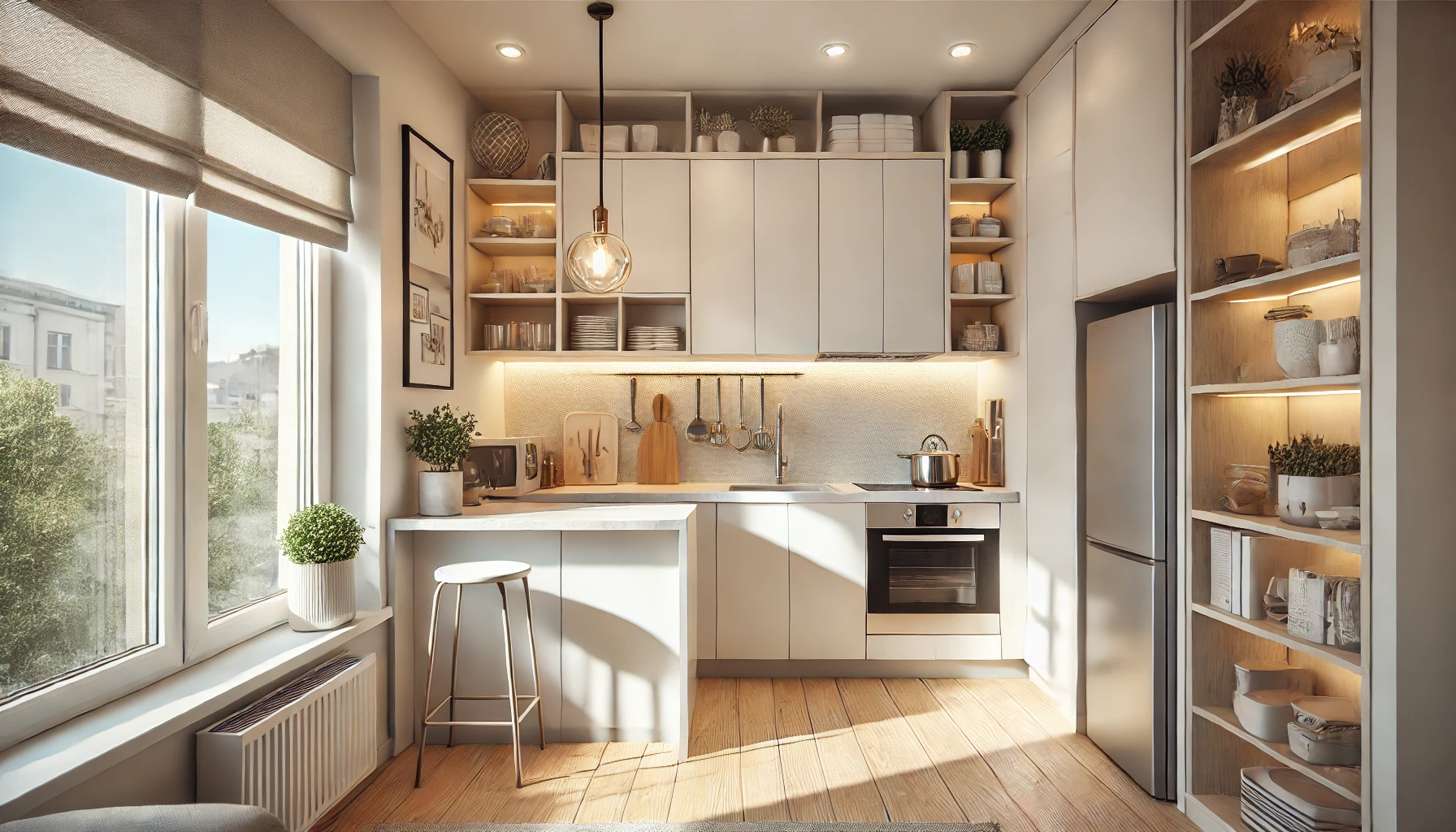
Remodeling a small kitchen is an exciting yet challenging project that requires careful planning and budgeting. The cost can vary widely depending on the extent of the renovation, materials chosen, and whether you hire professionals or take the DIY route. On average, remodeling a small kitchen can cost anywhere from $5,000 to $25,000, but high-end remodels can exceed $50,000 if premium materials and appliances are used.
Before diving into the remodel, homeowners must assess their needs, set a budget, and research the best cost-effective solutions. This guide will walk you through a step-by-step approach, covering everything from budgeting and material selection to saving money on labor and installation.
By following this structured approach, you can ensure that your small kitchen remodel remains affordable while still achieving a modern, functional, and stylish result.
Why Remodeling a Small Kitchen Can Be Worth It
Small kitchen remodels may seem costly, but they can significantly increase property value, enhance functionality, and improve aesthetic appeal. Investing in a kitchen remodel offers one of the highest returns on investment (ROI) among home renovations, often recouping 60-80% of the cost when selling the property.
Additionally, a well-planned kitchen remodel can help maximize storage, improve workflow, and incorporate energy-efficient appliances, reducing long-term utility bills. Many homeowners find that remodeling their small kitchen makes their home more enjoyable and practical, especially when incorporating modern design trends such as open shelving, smart appliances, and space-saving layouts.
Another significant advantage of remodeling a small kitchen is the lower cost compared to large kitchens. Since the area is smaller, fewer materials are needed, and labor costs are generally reduced. However, careful planning is crucial to avoid overspending and ensure that all upgrades align with your lifestyle and needs.
Factors That Influence the Cost of a Small Kitchen Remodel
Several factors affect the cost of remodeling a small kitchen, and understanding these variables can help homeowners budget effectively. Some of the most critical factors include:
- Size of the Kitchen – Even in small kitchens, the square footage plays a role in determining material and labor costs.
- Quality of Materials – High-end materials like quartz countertops and custom cabinets will increase costs, while budget-friendly options such as laminate and stock cabinets can keep expenses down.
- Appliances & Fixtures – Upgrading to energy-efficient or smart appliances can be costly but may lead to long-term savings on electricity and water bills.
- Labor Costs – Hiring contractors, electricians, and plumbers can significantly impact the total cost, whereas DIY renovations can save money.
- Permits & Regulations – Depending on local building codes, certain modifications may require permits, adding to the expenses.
- Unforeseen Expenses – Structural changes, outdated wiring, or plumbing issues can result in unexpected costs.
By planning for these factors in advance, homeowners can avoid cost overruns and create a more realistic budget for their remodel.
Step 1: Planning Your Small Kitchen Remodel
A successful kitchen remodel starts with proper planning. Rushing into renovations without a well-thought-out plan can lead to unnecessary expenses, poor design choices, and unfinished projects. The planning phase should focus on budgeting, defining renovation goals, and deciding between hiring professionals or taking a DIY approach.
Spending time in this phase helps in identifying priorities, choosing cost-effective solutions, and ensuring a smooth remodeling process.
1.1 Setting a Budget
A well-defined budget is crucial for keeping your kitchen remodel cost-effective. Without a clear financial plan, expenses can spiral out of control. The cost of remodeling a small kitchen typically falls into these categories:
- Low-Budget Remodel ($5,000 – $10,000) – Includes minor upgrades like painting, refinishing cabinets, replacing hardware, and installing budget-friendly countertops.
- Mid-Range Remodel ($10,000 – $25,000) – Includes new cabinets, mid-range countertops, new flooring, and appliance upgrades.
- High-End Remodel ($25,000 – $50,000+) – Includes premium materials, custom cabinetry, high-end appliances, and structural changes.
Understanding these cost categories allows homeowners to allocate their budget efficiently and prioritize essential upgrades.
1.2 Defining Your Goals
Before starting the remodel, it’s important to identify your primary goals. Do you want a functional upgrade, a style refresh, or a complete overhaul? Some homeowners prioritize modern aesthetics, while others focus on storage and space efficiency.
Key questions to ask yourself:
- What are the biggest pain points in my current kitchen?
- Do I need more counter space or better storage?
- Am I prioritizing durability, style, or both?
- Which upgrades will provide the most long-term value?
Clearly defining goals ensures that you spend money on the right areas and avoid unnecessary expenses.
1.3 Hiring Professionals vs. DIY
Deciding between hiring professionals or handling the remodel yourself depends on your skills, budget, and project complexity.
- When to Hire a Contractor: If your remodel involves plumbing, electrical work, or structural changes, hiring a professional is safer and ensures compliance with building codes.
- DIY Savings: Homeowners with DIY experience can save thousands by handling painting, cabinet refacing, and installing simple fixtures themselves.
- Cost Comparison: A professional remodel typically costs $10,000 – $50,000+, whereas a DIY remodel can be completed for as little as $5,000 – $15,000.
While DIY can reduce costs, hiring a contractor ensures expert craftsmanship, permits, and faster project completion.
Step 2: Breaking Down the Cost of a Small Kitchen Remodel
Once the planning phase is complete, it’s time to break down the costs and decide how much to spend on each component of the remodel. Key areas that contribute to overall expenses include:
- Cabinets – Should you replace or reface them?
- Countertops – Which material fits your budget and lifestyle?
- Flooring – What are the best cost-effective flooring options?
- Appliances – Which upgrades provide the best return on investment?
- Lighting & Electrical – How much does it cost to update fixtures?
- Plumbing & Sink – Is a simple replacement or a full plumbing overhaul necessary?
- Backsplash & Walls – What are the most budget-friendly yet stylish choices?
- Labor & Permits – How much should you set aside for professional help?
Breaking down these costs allows homeowners to prioritize spending and find areas where they can save.
Once you’ve planned your budget and goals, the next step is understanding where your money will go. Kitchen remodels involve multiple components, and each element has a different price range based on materials, labor, and brand selection. Below, we’ll break down the costs associated with each major kitchen element.
2.1 Cost of Kitchen Cabinets
Cabinets are one of the biggest expenses in a kitchen remodel. On average, they account for 30-40% of the total budget.
Replacing vs. Refacing Cabinets
- Replacing Cabinets ($3,000 – $10,000) – If your cabinets are damaged or outdated, full replacement is the best option.
- Refacing Cabinets ($1,500 – $5,000) – A cost-effective alternative where only cabinet doors and drawer fronts are replaced.
Stock vs. Semi-Custom vs. Custom Cabinets
- Stock Cabinets ($2,000 – $6,000) – Pre-made, budget-friendly options from home improvement stores.
- Semi-Custom Cabinets ($7,000 – $15,000) – Allow some customization but are still factory-made.
- Custom Cabinets ($15,000 – $30,000+) – Fully customized cabinets made to fit your kitchen layout and style.
For homeowners on a tight budget, refacing or repainting cabinets can dramatically cut costs while still refreshing the kitchen’s look.
2.2 Countertop Costs
Countertops can elevate the aesthetic and functionality of your kitchen. Prices vary widely based on material choice.
Popular Countertop Materials and Their Prices
- Laminate ($800 – $2,500) – Budget-friendly, but less durable.
- Butcher Block ($1,500 – $3,000) – Warm, natural wood option but requires regular maintenance.
- Granite ($2,000 – $5,000) – Durable and stylish but needs periodic sealing.
- Quartz ($3,000 – $7,000) – Low-maintenance, highly durable, and a popular mid-range choice.
Installation Costs
Expect to pay $30 – $100 per square foot for installation, depending on the material.
2.3 Flooring Expenses
Your kitchen floor needs to be durable, water-resistant, and easy to clean. Flooring costs vary based on the material.
Best Flooring Options for a Small Kitchen
- Vinyl ($1,500 – $3,500) – Affordable and water-resistant.
- Laminate ($2,000 – $4,000) – Cost-effective alternative to hardwood.
- Tile ($2,500 – $6,000) – Durable and stylish but can be expensive.
- Hardwood ($4,000 – $10,000) – Beautiful but requires maintenance.
If you’re on a budget, vinyl and laminate are great cost-saving options without sacrificing style.
2.4 Appliance Costs
Upgrading appliances can add modern convenience but also increase the budget significantly.
Essential vs. Luxury Appliances
- Basic Appliance Package ($2,000 – $5,000) – Includes a fridge, stove, and dishwasher.
- Mid-Range Appliances ($6,000 – $12,000) – Includes energy-efficient models with advanced features.
- Luxury Appliances ($15,000 – $30,000) – High-end brands with smart technology.
Energy-Efficient Options and Their Cost Savings
Investing in Energy Star-rated appliances may have a higher upfront cost but can save money on electricity bills over time.
2.5 Lighting and Electrical Work
Good lighting can enhance the ambiance and functionality of a small kitchen.
Cost of Upgrading Light Fixtures
- Basic Fixtures ($200 – $500) – Simple LED or pendant lights.
- Mid-Range Fixtures ($600 – $1,500) – Stylish under-cabinet and recessed lighting.
- High-End Fixtures ($2,000 – $5,000) – Smart lighting and designer options.
Rewiring and Adding Outlets
Electrical work can cost $500 – $3,000 depending on how much rewiring is needed.
2.6 Plumbing and Sink Upgrades
Updating sinks and plumbing can add style and functionality to your kitchen.
Replacing vs. Retrofitting Plumbing Fixtures
- Basic Sink Upgrade ($300 – $800) – Standard stainless steel sinks.
- Mid-Range Sink ($900 – $2,000) – Farmhouse or deep basin sinks.
- Luxury Sink ($2,500 – $5,000) – Custom designs with advanced features.
A full plumbing overhaul can cost $3,000 – $7,000, especially if moving pipes.
2.7 Backsplash and Wall Finishes
A stylish backsplash adds character to a small kitchen.
Tile, Glass, and Peel-and-Stick Options
- Peel-and-Stick ($100 – $500) – Budget-friendly and DIY-friendly.
- Ceramic Tile ($800 – $2,500) – Mid-range, durable option.
- Glass or Stone ($2,500 – $5,000) – High-end choice with a modern look.
Paint vs. Wallpaper Costs
- Painting ($200 – $800) – Simple and affordable.
- Wallpaper ($500 – $2,000) – Adds texture but is pricier.
2.8 Labor and Permits
Labor can be a major cost factor in a remodel.
Contractor Fees and Hourly Rates
- General Contractor ($3,000 – $10,000) – Manages the project.
- Electrician ($50 – $150 per hour) – Needed for rewiring.
- Plumber ($45 – $200 per hour) – Required for sink or dishwasher installation.
Necessary Permits and Associated Costs
Building permits may cost $500 – $2,000 depending on local regulations.
Step 3: Saving Money on Your Small Kitchen Remodel
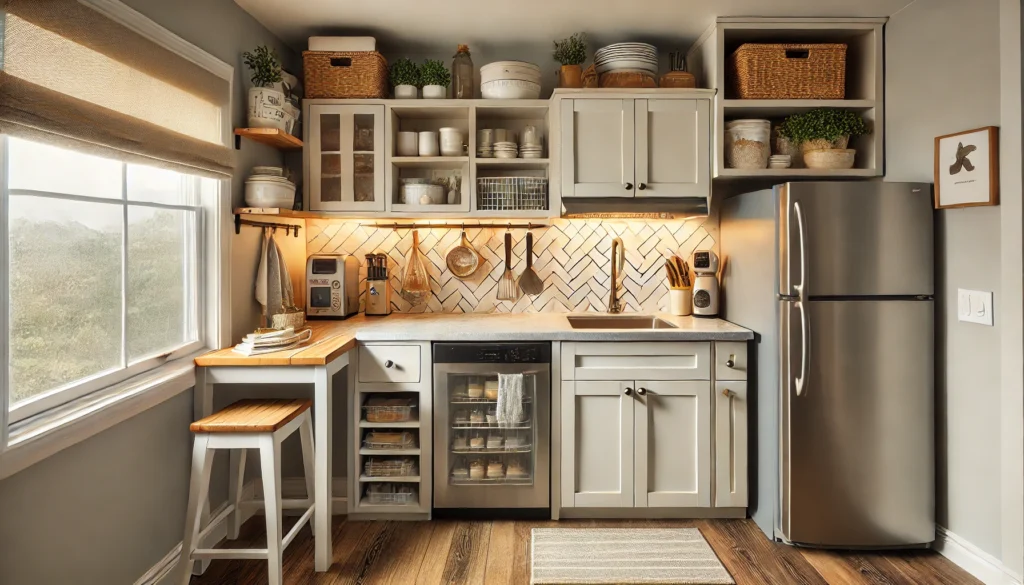
Want to remodel your kitchen without breaking the bank? Here’s how.
3.1 Budget-Friendly Tips
- Buy materials on sale or secondhand.
- Keep your existing layout to avoid moving plumbing/electricity.
- Do simple tasks like painting or installing hardware yourself.
3.2 Choosing Cost-Effective Alternatives
- Instead of quartz, opt for laminate or butcher block countertops.
- Rather than replacing cabinets, paint or reface them.
3.3 Maximizing Small Space Efficiency
- Use vertical storage (hanging racks, floating shelves).
- Opt for multi-functional furniture (extendable counters, pull-out storage).
Final Thoughts: how much does it cost to remodel a small kitchen
A small kitchen remodel can significantly boost home value while enhancing daily life. By carefully planning your budget, choosing the right materials, and considering cost-saving strategies, you can achieve a stylish, functional kitchen without overspending.
ROI for Small Kitchen Remodels
A well-executed remodel can provide a 60-80% return on investment, making it one of the best home upgrades in terms of resale value.
How to Plan for Future Maintenance and Upkeep
Choosing durable materials, energy-efficient appliances, and timeless designs ensures your kitchen remains beautiful and functional for years to come.