
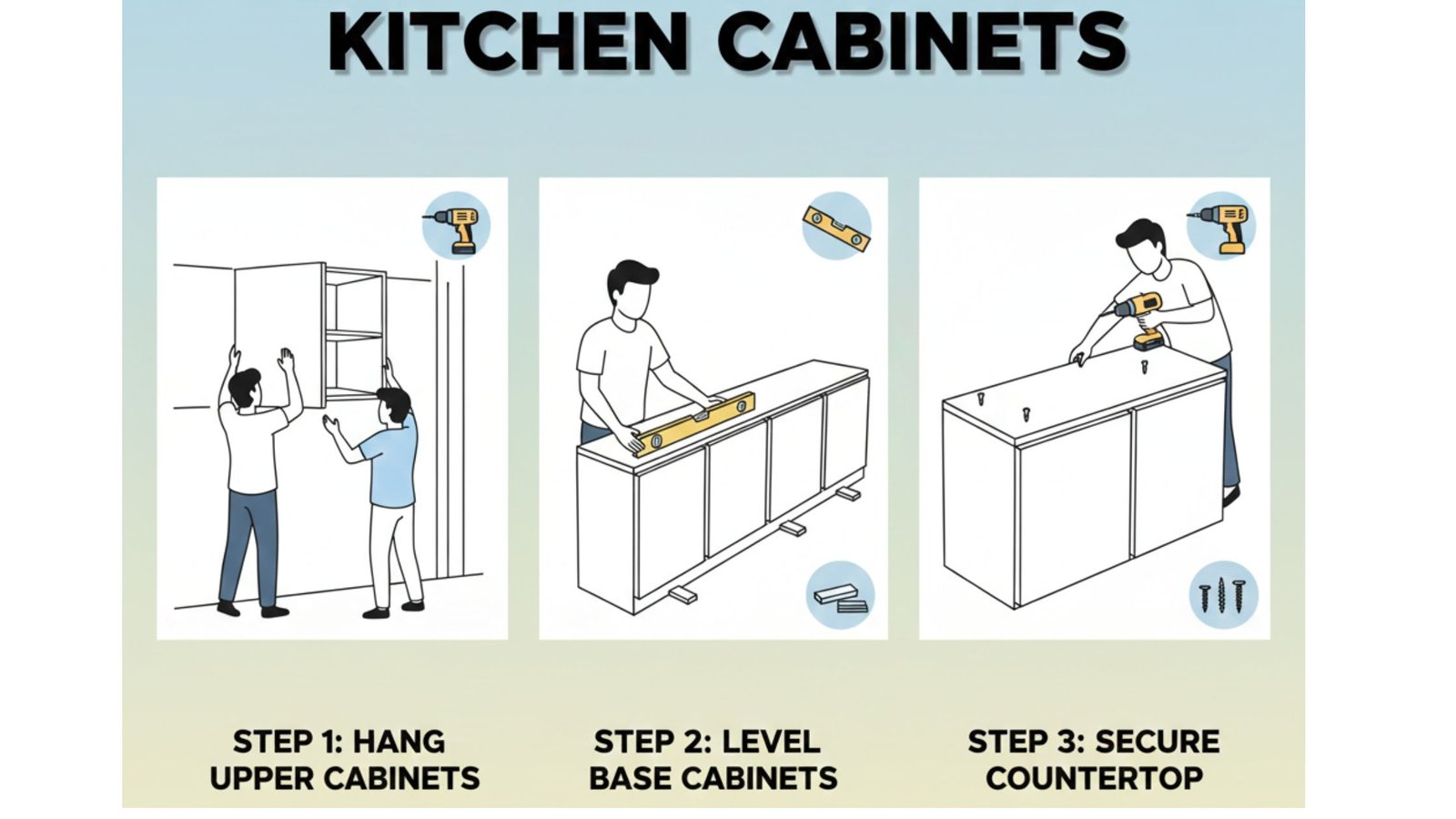
Installing kitchen cabinets can dramatically transform your cooking space, boost storage, and enhance your home’s overall value. Whether you’re remodeling an outdated kitchen or upgrading a new build, proper cabinet installation ensures durability, alignment, and long-lasting performance.
This comprehensive guide walks you through all the key steps—from preparation to final adjustments—so you can tackle your project confidently.

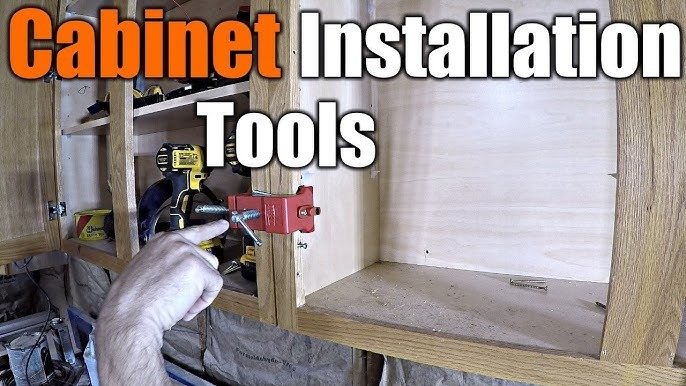
What You Need Before Starting
Before installing your cabinets, make sure you have:
Tools
- Level
- Measuring tape
- Stud finder
- Drill and drill bits
- Clamps
- Screws
- Shims
- Pencil
- Ladder
- Safety gear
Materials
- Wall cabinets
- Base cabinets
- Mounting rails (optional)
- Filler strips
- Hardware and fasteners
Step 1: Measure and Mark the Layout
Accurate measurements ensure a professional-looking installation.
- Measure your kitchen walls and mark cabinet placement.
- Use a level to draw horizontal guidelines for the top and bottom of both wall and base cabinets.
- Mark stud locations since cabinets must be anchored securely into studs.
Step 2: Install the Ledger Board
A ledger board acts as temporary support for wall cabinets.
- Attach a straight board along your guideline for the bottom of the wall cabinets.
- Ensure it’s level.
- This board will hold the weight of the cabinets during installation.
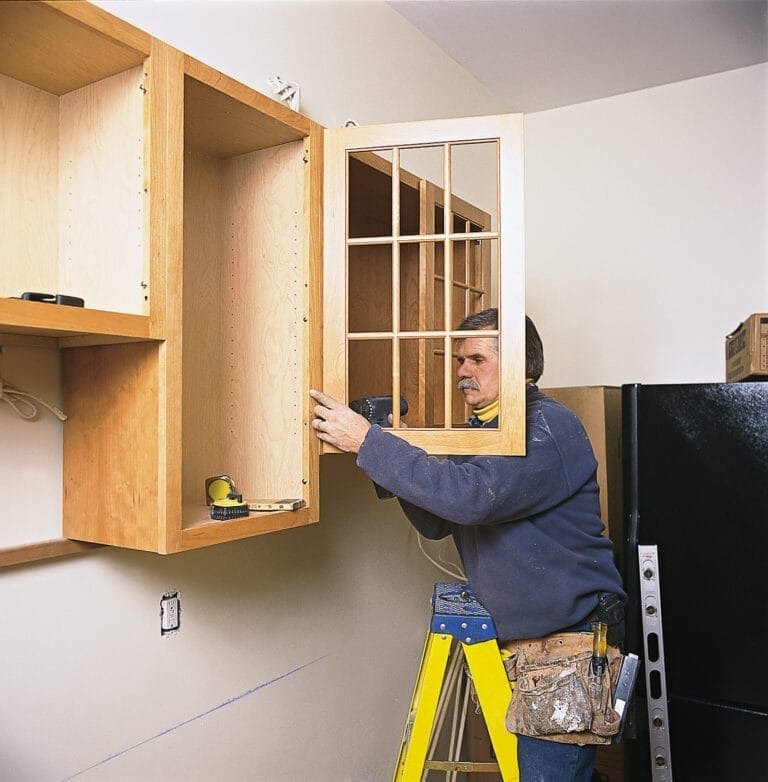
Step 3: Mount the Wall Cabinets First
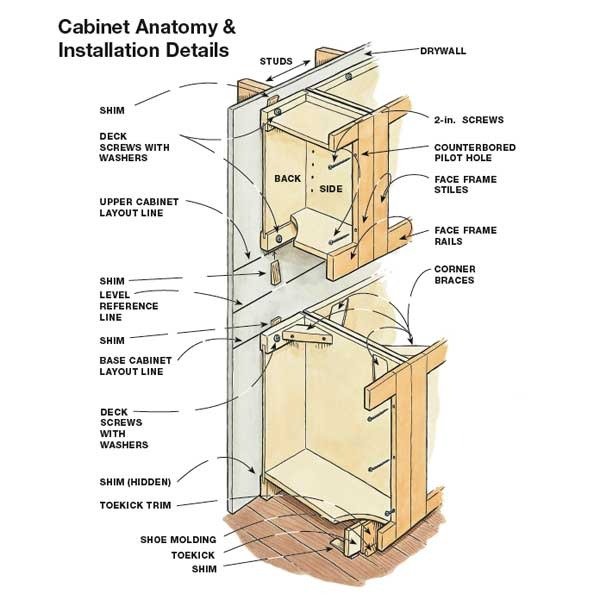
Always install wall cabinets before base cabinets to avoid obstructions.
- Start at a corner or with the cabinet nearest the highest point of the floor.
- Lift the cabinet onto the ledger board.
- Screw through the cabinet back into wall studs.
- Clamp adjacent cabinets together and secure them with connecting screws.
- Check for alignment and use shims as needed.
Step 4: Position and Secure the Base Cabinets
After the wall cabinets are up, move to the base units.
- Place the first base cabinet in position.
- Check the floor for uneven areas—use shims to level the cabinet.
- Screw the cabinet into wall studs through its back support rail.
- Continue installing each base cabinet, aligning and clamping them together.
- Recheck level and plumb after every addition.
Step 5: Install Filler Strips & Trim
Filler strips ensure perfect alignment between cabinets and walls.
- Measure gaps between cabinets and walls.
- Cut filler strips to size.
- Attach securely and cover exposed edges with trim or molding.
Step 6: Attach Doors, Drawers & Hardware
Once the cabinet structures are in place:
- Reattach cabinet doors.
- Install drawer boxes and slides.
- Add handles and knobs.
- Adjust hinges for smooth door movement and alignment.
Step 7: Final Inspection
Perform a final check to confirm:
- Everything is level and secure
- All screws are tight
- Doors open and close smoothly
- Drawers slide properly
- There are no visible gaps or misalignments
Your kitchen cabinets are now professionally installed and ready for use!
Pro Tips for a Smooth Installation
- Always double-check measurements before drilling.
- Use high-quality screws specifically designed for cabinet installation.
- Sand and paint walls before installing cabinets.
- Work with a partner for heavy lifting and alignment.
- Consider adding under-cabinet lighting before mounting wall units.
Get More Home Improvement Tips
For more expert home renovation guides, project cost breakdowns, and DIY installation advice, visit <a href=”https://builtuphome.com/”>Builtup Home</a>—your trusted resource for all things home improvement.