
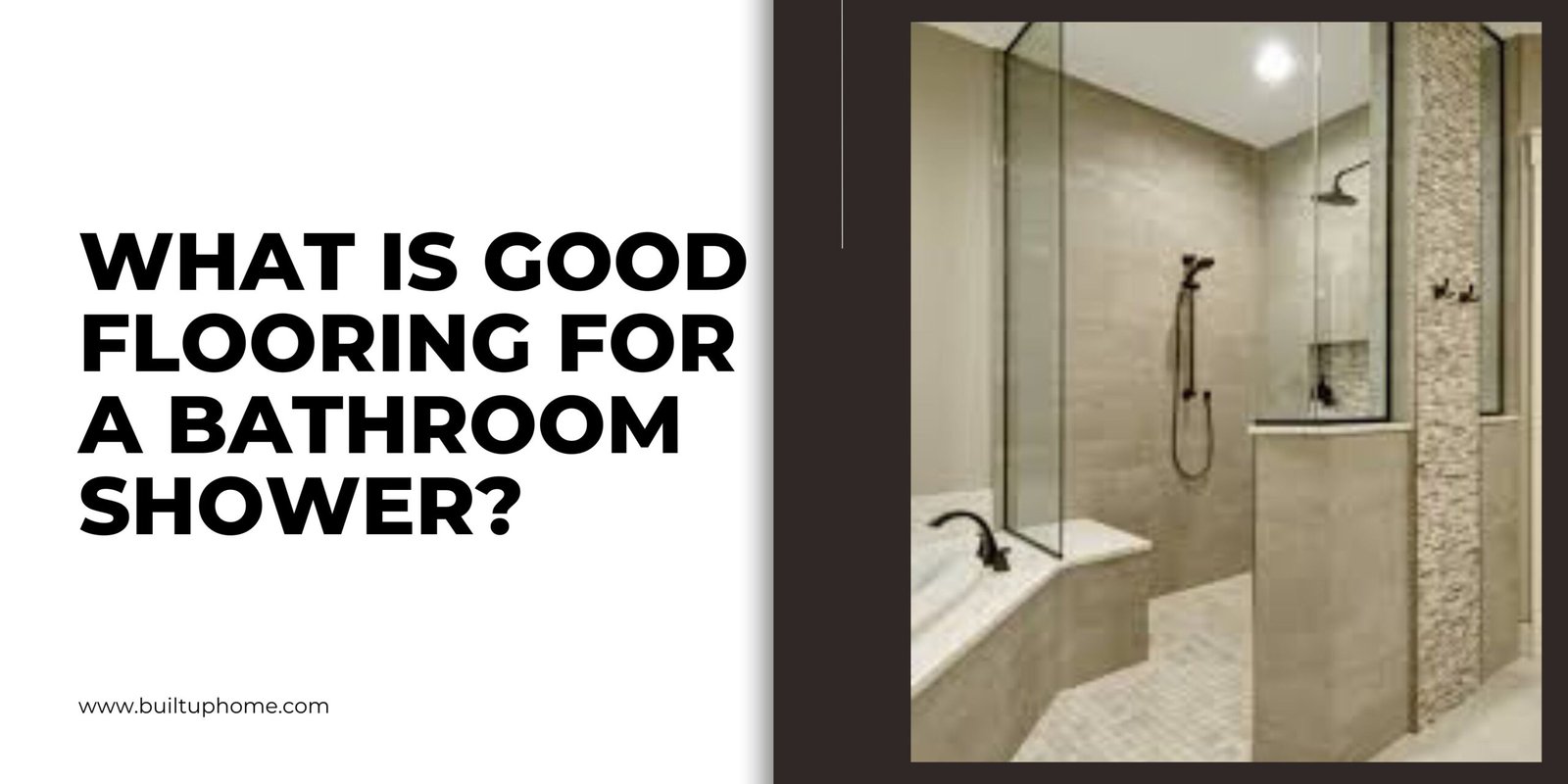
Choosing the right flooring for a bathroom shower is one of the most critical decisions in bathroom design. The floor of your shower needs to withstand moisture, provide safety, be easy to clean, and contribute to the overall aesthetic of your bathroom. With numerous materials available on the market, understanding their pros and cons can help you make an informed and stylish choice. This article explores the best flooring options for bathroom showers and what makes them ideal for wet environments.
1. Key Considerations When Choosing Shower Flooring
Before diving into specific materials, it’s important to consider a few essential factors:
Water Resistance
The flooring material must be completely waterproof to avoid damage, mold, and mildew. Unlike bathroom flooring in general, shower floors are constantly exposed to water.
Slip Resistance
Safety is paramount. Choose materials that offer a good grip, especially when wet. Textured surfaces or smaller tiles with more grout lines can help reduce slipping.
Durability
Shower flooring should be able to handle daily use and last for years. It must resist cracking, chipping, and wear from soaps, shampoos, and foot traffic.
Maintenance
Some materials require more maintenance than others. It is easier to clean non-porous materials, and they are less likely to harbor bacteria.
Aesthetics
The floor contributes significantly to the visual appeal of the shower. The material, color, and finish should complement your bathroom’s overall design.
2. Top Flooring Options for Shower Areas
1. Ceramic and Porcelain Tile
Shower floors often feature ceramic and porcelain tiles, which are among the most favored options. Shower floors often feature ceramic and porcelain tiles, which are among the most favored options. They are water-resistant, durable, and available in countless colors, sizes, and textures.
Pros:
- Wide range of design options
- Slip-resistant textures available
- Easy to clean
- Cost-effective
Cons:
- Grout lines may require regular maintenance
- Unless combined with radiant heating, it can feel cold underfoot
Best Use: Small mosaic tiles work best as they offer more grout lines, improving traction and safety.
2. Natural Stone
Materials like slate, granite, and marble bring a luxurious, natural aesthetic to a bathroom. When properly sealed, natural stone is durable and water-resistant.
Pros:
- Visually appealing and unique
- Textured stones (e.g., slate) are naturally slip-resistant
Cons:
- Requires sealing to prevent water damage
- Can be expensive
- Higher maintenance
Optimal Use: For slip prevention, employ textured stone or small-format stone tiles.
3. Pebble Tile (River Rock Flooring)
Pebble tiles provide a natural, earthy aesthetic reminiscent of a spa. These consist of small, rounded stones mounted on mesh backing.
Pros:
- Excellent slip resistance due to many grout lines
- Aesthetic appeal and unique texture
- Comfortable underfoot with massaging effect
Cons:
- Requires more cleaning and sealing
- Grout lines can become discolored if not maintained properly
Best Use: Perfect for nature-inspired or spa-like bathrooms. Best used in smaller showers due to labor-intensive installation and upkeep.
4. Vinyl Flooring (Luxury Vinyl Tile – LVT)
While traditional vinyl isn’t suitable for shower floors, Luxury Vinyl Tile (LVT) designed for wet areas can be used in walk-in shower spaces, especially when designed as a single-sheet or waterproof tile system.
Pros:
- Water-resistant and durable
- Comfortable and warm underfoot
- Easy to install and maintain
- Cost-effective
Cons:
- Not all vinyl products are rated for wet environments
- Looks less luxurious than natural stone or tile
Best Use: Modern, budget-conscious bathrooms where comfort and practicality are a priority.
5. Concrete
Concrete flooring is a contemporary choice often used in minimalist or industrial-style bathrooms. With proper finishing, it can be waterproof and stylish.
Pros:
- Highly durable
- Customizable with stains and textures
- Seamless look
Cons:
- Can be slippery unless textured
- Requires sealing
- Cold and hard underfoot
Best Use: Modern bathrooms with a sleek, minimal design aesthetic. Great for curbless showers.
6. Teak Wood (Shower Decking)
Teak wood is a water-resistant hardwood commonly used in boat building. It’s ideal for creating elevated shower floors or slatted mats over tile bases.
Pros:
- Naturally resistant to moisture and rot
- Warm, natural look
- Non-slip when properly maintained
Cons:
- Requires regular oiling or sealing
- Expensive compared to synthetic materials
Best Use: Great for tropical, natural, or zen-style bathrooms. Works best as an accent layer over traditional shower bases.
3. Materials to Avoid for Shower Floors
While there are many suitable options, certain materials are ill-suited for use inside a shower:
- Hardwood: Absorbs moisture, warps, and decays.
- Carpet: Retains moisture, leading to mold and bacteria growth.
- Laminate: Often not designed for wet conditions and will swell when exposed to water.
4. Final Thoughts and Recommendations
The best shower flooring depends on your priorities—whether it’s appearance, safety, ease of maintenance, or budget. For most homeowners, porcelain or ceramic tiles are the best all-around option due to their balance of aesthetics, durability, and price. For a more luxurious feel, natural stone or pebble tile adds uniqueness and texture.
If comfort and low maintenance are key, LVT or teak wood might be a better fit. Just be sure any material you choose is specifically rated for wet conditions and professionally installed to avoid leaks or damage over time.
Ultimately, combining style with function ensures a safe, beautiful, and long-lasting shower floor that enhances your bathroom for years to come.
Read More Detailed: Built UP Home
What is Good Flooring for a Bathroom? Tiles Explained