
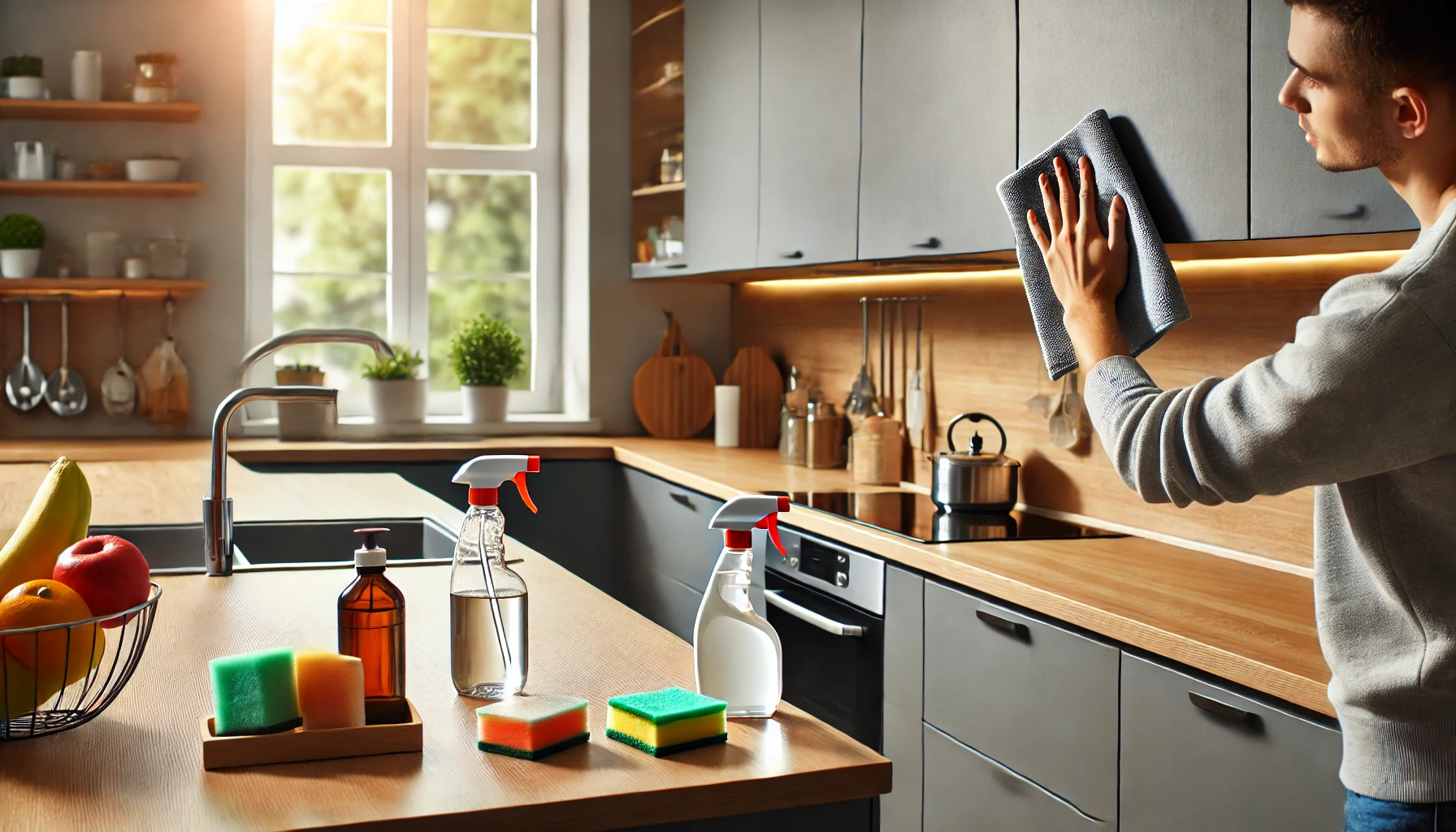
Cleaning laminate kitchen cabinets is essential to maintaining their appearance and longevity. Unlike wood cabinets, laminate cabinets require a different cleaning approach to prevent damage. This guide will take you through a step-by-step process to ensure your cabinets stay spotless without losing their shine.
Laminate cabinets are popular in modern kitchens due to their affordability, ease of maintenance, and resistance to moisture. However, they can still accumulate grease, grime, and stains over time, requiring regular cleaning. Using the right cleaning methods ensures that the laminate surface remains intact and free from scratches.
In this guide, we will break down the cleaning process into five crucial steps: gathering supplies, preparing the cabinets, cleaning thoroughly, drying and polishing, and maintaining the cabinets for long-term use. Each step plays a vital role in ensuring your cabinets remain in top condition.
By the end of this article, you’ll know the best cleaning materials to use, which cleaning solutions work best, and how to avoid common mistakes that can damage laminate. Whether you’re performing a quick daily wipe-down or a deep cleaning session, this guide will help you achieve spotless, streak-free cabinets every time.
Why Proper Cleaning Matters
Cleaning laminate kitchen cabinets isn’t just about aesthetics; it also affects the durability and functionality of your cabinets. Over time, grease, food spills, and dust accumulate on the surfaces, leading to a dull and dirty appearance. If not cleaned properly, the buildup can cause long-term damage, making it difficult to restore the original look.
One of the biggest concerns with neglecting cleaning is grease accumulation. Cooking generates grease, which can settle on cabinet surfaces, making them sticky and difficult to clean. If left for too long, this grease hardens, requiring more aggressive cleaning methods that might damage the laminate surface.
Additionally, regular cleaning prevents the growth of bacteria and mold. Kitchens are prone to moisture, and when combined with food particles, they create an environment where bacteria thrive. Keeping cabinets clean helps maintain a hygienic cooking space, ensuring food safety.
Proper cleaning also extends the lifespan of your cabinets. Dust and dirt can act as abrasives, causing fine scratches on laminate surfaces. Over time, these scratches accumulate, making cabinets look worn out. By adopting a regular cleaning routine, you can maintain the glossy finish of your laminate cabinets for years to come.
Finally, well-maintained cabinets enhance the overall appeal of your kitchen. A clean and polished look creates a welcoming environment, making your kitchen a more enjoyable space to cook and entertain guests.
Understanding Laminate Cabinets: What Makes Them Different?
Before diving into the cleaning process, it’s important to understand what laminate cabinets are and how they differ from other types of cabinets. Unlike solid wood cabinets, laminate cabinets are made of synthetic materials that are bonded together using heat and pressure. This creates a durable, moisture-resistant surface that is easy to clean.
One of the key advantages of laminate cabinets is their resistance to moisture. Unlike wood, laminate does not absorb water, making it less likely to warp or swell in humid conditions. This makes them ideal for kitchens where exposure to steam and spills is common.
However, laminate cabinets are also more prone to scratches and chipping. While they resist moisture, they are not as sturdy as solid wood when it comes to wear and tear. Using abrasive cleaning tools or harsh chemicals can cause permanent damage to the surface, making it essential to use gentle cleaning methods.
Another important factor to consider is heat resistance. While laminate is designed to withstand heat, prolonged exposure to direct heat sources such as stovetops or ovens can cause discoloration or warping. Using protective measures like heat shields or keeping cabinets away from high-temperature areas can help maintain their condition.
By understanding the nature of laminate cabinets, you can take the right steps to clean and maintain them effectively. Choosing the right cleaning products, avoiding excessive moisture, and using non-abrasive materials will help keep your laminate cabinets looking new for years.
Step 1: Gather Your Cleaning Supplies
Best Cleaning Solutions for Laminate Cabinets
Choosing the right cleaning solutions is crucial for maintaining laminate cabinets. Laminate is a synthetic material that can be damaged by harsh chemicals, so selecting gentle yet effective cleaning products is essential.
One of the best and safest cleaning solutions is a mild dish soap and warm water mixture. Dish soap effectively cuts through grease and grime while being gentle on the laminate surface. Simply mix a few drops of dish soap into a bowl of warm water, dip a microfiber cloth in the solution, and wipe down the cabinets.
Another excellent option is a vinegar and water solution. Vinegar is a natural degreaser and works well to remove sticky residue. To make this solution, mix equal parts white vinegar and warm water in a spray bottle. Lightly mist the cabinets and wipe them down with a soft cloth. However, avoid excessive use of vinegar as its acidity can wear down the laminate finish over time.
For deep cleaning, a baking soda paste can be useful for stubborn stains. Mix baking soda with a small amount of water to form a thick paste. Apply it to stained areas and gently scrub with a soft sponge. Let it sit for a few minutes before wiping clean with a damp cloth.
Commercial laminate cleaners are also available and can be effective. However, always check the label to ensure they are laminate-safe and free of harsh chemicals. Avoid products containing bleach, ammonia, or strong solvents, as these can cause discoloration and damage to the laminate surface.
By using the right cleaning solutions, you can keep your laminate cabinets clean without harming their finish.
What to Avoid: Harsh Chemicals That Can Damage Laminate
While cleaning laminate cabinets, it’s just as important to know what not to use. Some cleaning agents and tools can cause irreversible damage, leading to peeling, discoloration, or weakening of the laminate surface.
- Bleach: Although bleach is a strong disinfectant, it is too harsh for laminate surfaces. It can strip away the protective coating and cause yellowing over time.
- Ammonia-based Cleaners: Many window and all-purpose cleaners contain ammonia, which can break down laminate finishes and cause fading.
- Abrasive Scrubbing Pads: Steel wool, scouring pads, and rough brushes can scratch the laminate surface, making it more susceptible to dirt buildup.
- Excessive Water: While laminate is moisture-resistant, prolonged exposure to water can seep into the edges, causing the material to swell or warp. Always dry cabinets after cleaning.
- Oil-Based Cleaners: Some furniture polishes and oil-based cleaners can leave a sticky residue, attracting more dirt and grease.
Using the wrong cleaning products can significantly reduce the lifespan of your laminate cabinets. Stick to gentle, non-abrasive cleaners to ensure long-lasting durability.
Step 2: Preparing Your Cabinets for Cleaning
Emptying the Cabinets
Before you start cleaning, emptying your cabinets is a crucial first step. Removing all items allows you to clean the interiors thoroughly and ensures that no food crumbs, dust, or grease is left behind.
Take out all dishes, cookware, and pantry items. If your cabinets contain food products, check for expired items and discard them. This is a great opportunity to reorganize your kitchen storage while cleaning.
Once the cabinets are empty, wipe down the inside with a dry microfiber cloth to remove dust and loose debris. This makes the wet cleaning process more effective later on.
If you have shelf liners, remove them and clean them separately. Some liners can be washed with soap and water, while others may need replacing if they are stained or damaged.
Removing Grease and Stubborn Residue
Grease buildup is common in kitchen cabinets, especially those near the stove. Removing grease requires special attention, as regular wiping may not be enough.
To tackle greasy surfaces, use a vinegar and water solution. Spray the mixture onto greasy spots and let it sit for a few minutes. Then, wipe it off with a damp microfiber cloth. If the grease is particularly stubborn, apply a baking soda paste to the affected area, scrub gently, and rinse with a damp cloth.
For extreme grease buildup, a small amount of dish soap mixed with warm water can help break down the oils. Avoid using too much soap, as it can leave behind a sticky residue.
Dusting and Dry Wiping Before Wet Cleaning
Before using any liquid cleaners, it’s important to remove surface dust and dirt. Dust particles can mix with cleaning solutions and create a muddy residue, making the cleaning process harder.
Use a dry microfiber cloth or a feather duster to wipe down cabinet surfaces, including doors, handles, and inside shelves. If your cabinets have grooves or panel designs, use a soft-bristle brush to remove dust from crevices.
By properly preparing your cabinets before deep cleaning, you ensure that the process is more effective and that dirt and grease don’t spread.
Step 3: Cleaning Laminate Kitchen Cabinets
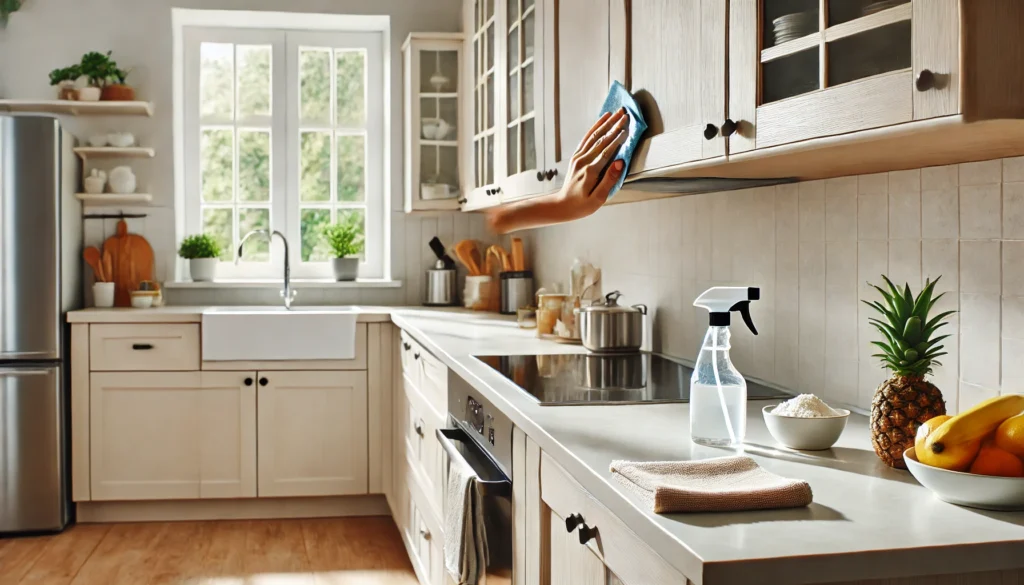
Daily Cleaning Routine
Maintaining clean cabinets doesn’t have to be difficult. A simple daily cleaning routine can prevent buildup and make deep cleaning sessions less frequent.
After cooking, use a damp microfiber cloth with mild dish soap to wipe down cabinet doors and handles. This removes any grease or food splatters before they harden.
If you notice any sticky spots, clean them immediately using a vinegar and water spray. Waiting too long can make stains harder to remove.
Dust cabinets daily or at least every other day, especially in areas where grease tends to accumulate.
Keeping up with these small cleaning habits will ensure that your cabinets stay fresh and spotless without requiring frequent deep cleaning.
Using a Mild Dish Soap Solution
A mild dish soap solution is the safest and most effective way to clean laminate cabinets without damaging them. Simply mix a few drops of dish soap in warm water and dip a microfiber cloth into the solution.
Gently wipe down the cabinet doors and interiors, paying extra attention to high-touch areas like handles and edges. For stubborn spots, let the soapy water sit for a minute before wiping.
After cleaning, use a clean damp cloth to wipe away any soap residue. Leaving soap on laminate surfaces can create a filmy buildup that attracts dirt.
Wiping with a Microfiber Cloth
Microfiber cloths are ideal for cleaning laminate cabinets because they are soft, absorbent, and non-abrasive. Unlike paper towels or rough sponges, they won’t scratch the surface or leave lint behind.
When wiping, use gentle circular motions to lift dirt and grease. Avoid pressing too hard, as this can wear down the laminate coating over time.
Once the cabinets are clean, use a dry microfiber cloth to remove excess moisture. This step is crucial for preventing water damage, especially along cabinet edges and seams.
Read More: how to change a delta kitchen faucet cartridge
Step 4: Drying and Polishing for a Streak-Free Finish
Once you’ve cleaned your laminate kitchen cabinets, proper drying and polishing are essential to prevent streaks, water spots, and residue buildup. Laminate surfaces are moisture-resistant, but prolonged exposure to water can cause damage over time. Therefore, drying cabinets after cleaning is just as important as the cleaning process itself.
Why You Should Always Dry Cabinets After Cleaning
Many people make the mistake of letting their cabinets air dry after cleaning, but this can lead to unwanted streaks or water spots. Since laminate cabinets have a smooth, sometimes glossy surface, leftover water droplets can dry unevenly, leaving streaks behind. This is especially noticeable under bright kitchen lighting.
Additionally, any excess moisture left on cabinet surfaces can seep into edges, seams, and joints, potentially weakening the adhesive that holds the laminate in place. Over time, this can cause peeling or warping, which is difficult and costly to repair.
To prevent this, always use a dry, lint-free cloth to wipe down cabinets after cleaning. Microfiber cloths work best as they absorb moisture efficiently without leaving streaks. If your cabinets have grooves or paneling, ensure you reach these areas to remove all moisture.
Using a Soft Cloth for a Polished Look
If you want your laminate cabinets to look extra polished and sleek, consider using a dry microfiber cloth or a polishing cloth after cleaning.
- Gently buff the cabinet doors and surfaces using small, circular motions to create a smooth and polished appearance.
- For glossy laminate cabinets, a tiny drop of mineral oil on a soft cloth can enhance shine while protecting the surface from fingerprints and smudges.
- Avoid using wax-based polishes, as these can create a sticky residue that attracts dust and grime over time.
By drying and polishing your laminate cabinets properly, you can extend their lifespan and maintain their like-new appearance for years to come.
Read More: how to clean painted kitchen cabinets
Step 5: Maintaining and Protecting Laminate Cabinets
Cleaning your laminate cabinets regularly is important, but long-term maintenance will help them stay in top condition with minimal effort. Follow these best practices to prevent grease buildup, stains, and wear.
Preventing Grease and Stains in the Future
Kitchens naturally accumulate grease and food stains, but a few proactive steps can protect your cabinets from excessive buildup.
- Use Range Hood Fans – Cooking produces airborne grease that settles on cabinets. Always turn on your range hood when frying or cooking with oil.
- Wipe Cabinets Weekly – Even if cabinets don’t look dirty, wiping them down once a week prevents invisible grease from hardening over time.
- Apply a Protective Coating – A light coat of laminate-safe furniture polish can create a protective barrier against stains and fingerprints.
- Install Cabinet Door Protectors – If your cabinets are near the stove or sink, adhesive protectors or silicone mats can shield the surfaces from moisture and splashes.
- Handle Food Spills Immediately – Never let sauces, oils, or food spills sit on laminate surfaces for too long. Even though laminate is stain-resistant, some liquids can still cause discoloration over time.
By implementing these simple steps, you can minimize the need for deep cleaning and keep your cabinets looking fresh for longer.
Best Practices for Long-Term Care
Taking care of your laminate cabinets doesn’t require much effort if you follow a consistent maintenance routine. Here are a few essential practices for preserving their appearance and durability:
- Avoid slamming cabinet doors – Repeated impact can loosen hinges and cause cracks or chipping around the edges.
- Don’t overload cabinet shelves – Excessive weight can warp the interior shelves or damage the cabinet structure.
- Use felt pads under heavy appliances – If you store kitchen appliances inside cabinets, placing felt pads underneath can prevent scratches.
- Keep humidity levels in check – High humidity can weaken laminate adhesives, so consider using a dehumidifier in humid climates.
By following these long-term care tips, you can prevent damage and extend the lifespan of your kitchen cabinets.
How Often Should You Clean Laminate Cabinets?
The frequency of cleaning depends on your kitchen habits, cooking frequency, and how often the cabinets are used.
- Daily – Quick wipe-downs after cooking prevent grease buildup.
- Weekly – A deeper cleaning with mild dish soap and water keeps cabinets fresh.
- Monthly – Focus on high-touch areas like handles and inside shelves.
- Seasonal Deep Cleaning – Every 3-6 months, empty the cabinets and clean every surface thoroughly to prevent dust, mold, and odors.
By sticking to a regular cleaning schedule, you can ensure that your cabinets remain spotless and in great condition year-round.
Common Mistakes to Avoid When Cleaning Laminate Cabinets
Even with the best cleaning routine, some mistakes can cause damage to laminate cabinets. Avoid these common errors to protect your cabinets from unnecessary wear and tear.
Using Excess Water
Water is essential for cleaning, but too much moisture can seep into laminate edges, causing them to bubble or warp over time. Always use a damp—not soaking wet—cloth when cleaning, and dry the surface immediately after.
Scrubbing with Abrasive Pads
Laminate surfaces are designed to be smooth, so using scouring pads, steel wool, or rough sponges can leave scratches that dull their appearance. Instead, use soft microfiber cloths or sponges to clean your cabinets gently.
Using Harsh Chemicals or Bleach
Many all-purpose cleaners contain bleach, ammonia, or strong solvents, which can strip away the laminate finish and cause discoloration. Stick to mild dish soap, vinegar, or laminate-friendly cleaners to preserve the surface.
By avoiding these mistakes, you can keep your laminate cabinets in excellent condition for years to come.
Conclusion About How to Clean Laminate Kitchen Cabinets
Keeping your laminate kitchen cabinets clean doesn’t have to be difficult. By following a structured approach—gathering the right supplies, preparing the cabinets, using safe cleaning methods, drying them properly, and maintaining them regularly—you can ensure that they stay spotless and in great shape.
Recap of Best Cleaning Practices
✔ Use mild dish soap and water for regular cleaning.
✔ Avoid harsh chemicals, excess water, and abrasive scrubbers.
✔ Always dry cabinets immediately after cleaning to prevent streaks.
✔ Follow a routine cleaning schedule to prevent buildup.
✔ Take preventative measures like using range hoods and wiping spills immediately.
How to Keep Your Laminate Cabinets Looking New
The key to keeping laminate cabinets looking new is consistency. Small daily habits, such as wiping off grease and dusting regularly, can make a huge difference. If you take care of your cabinets properly, they will remain stylish and functional for years.
By following these expert tips and best practices, your laminate kitchen cabinets will stay clean, shiny, and well-maintained—enhancing the overall appearance of your kitchen!