
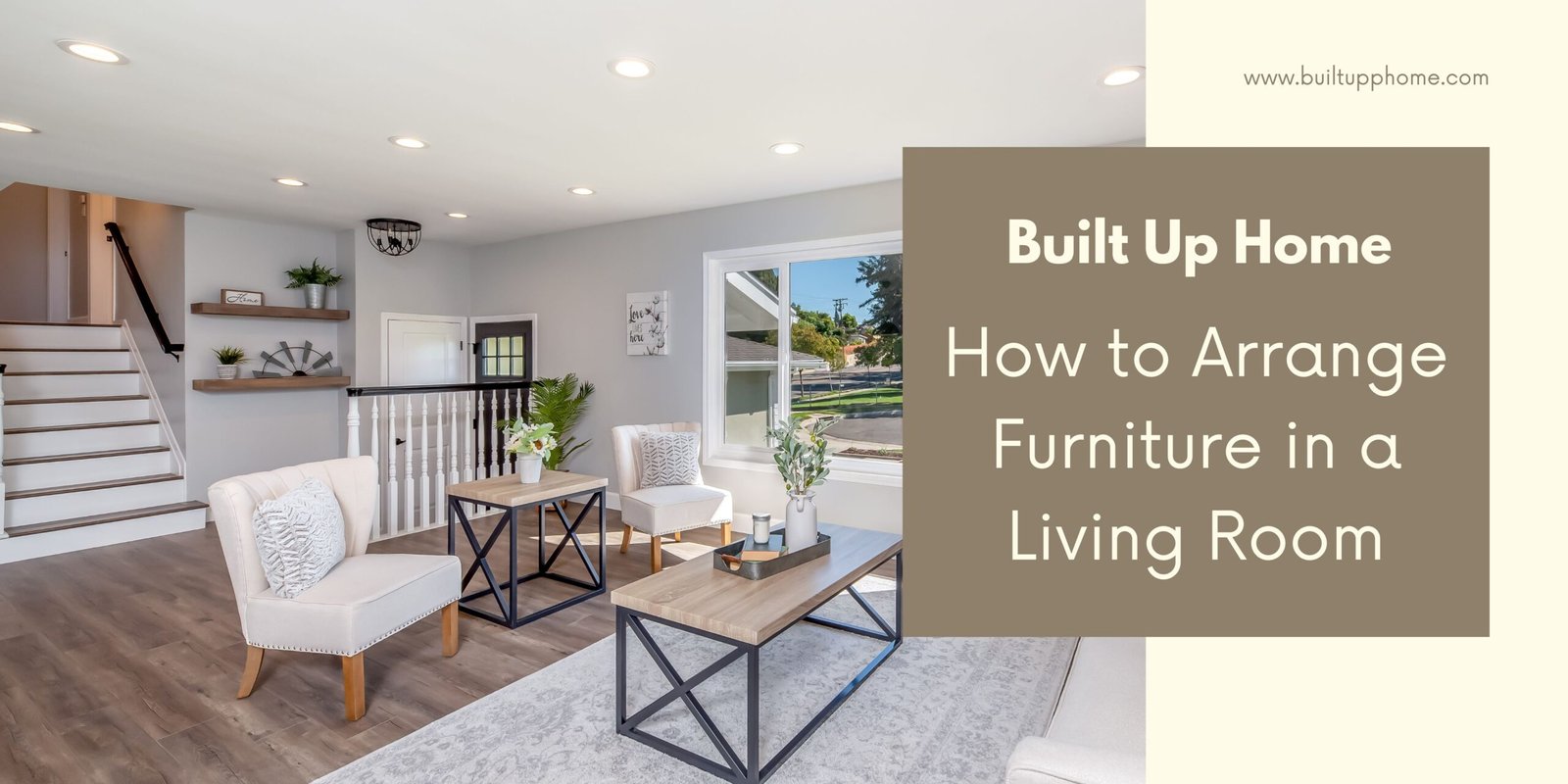
Arranging furniture can transform a room from chaotic to cohesive. Whether you’re moving into a new home or refreshing your space, understanding the principles of effective furniture arrangement helps create a room that looks great and works well for your lifestyle.
Why Furniture Arrangement Matters
The way furniture is positioned influences how a room feels and functions. Smart arrangement can enhance comfort, promote conversation, optimize space, and improve traffic flow, making the space both beautiful and practical.
Key Goals: Function, Flow, and Comfort
Every great furniture layout achieves three things: it serves the room’s purpose (function), allows easy movement (flow), and ensures physical and visual comfort. Striking a balance among these goals is key to a successful room layout.
Before You Start: Know Your Room’s Measurements
Before moving any furniture, measure your room carefully. Knowing your space’s dimensions helps avoid crowding and ensures each piece fits well within the layout.
Step 1: Assess the Room Layout and Purpose
Measure and Map the Space
Start by measuring the length, width, and height of the room. Include doors, windows, and architectural features that might impact furniture placement.
How to Measure Accurately
Use a tape measure or laser measure. Write down each wall length, and note the placement of outlets, vents, and switches. Sketch a rough map as a reference.
Create a Floor Plan (Paper or Digital Tools)
Draw your room to scale on graph paper or use digital tools like SketchUp, Roomstyler, or Magicplan. This visual aid makes it easier to plan your layout without lifting a single chair.
Identify the Focal Point
Determine what the eye is naturally drawn to—a fireplace, a large window, a TV, or a piece of art.
Arranging Around the Focal Point
Anchor your furniture around this focal point. For example, face your sofa toward the fireplace or arrange chairs around a TV.
Determine the Room’s Function
Know what you want from the space: is it primarily for relaxing, entertaining guests, or watching movies?
Everyday Living vs. Entertaining
A room meant for family lounging may require cozy, accessible seating. Entertaining spaces might benefit from open layouts that encourage mingling.
Multi-Use Spaces: Combining Work, Play, and Relaxation
In modern homes, rooms often serve multiple roles. Use furniture to define zones—such as a desk for work and a sectional for relaxation.
Consider Natural Light and Traffic Flow
Window Placement and Lighting
Maximize natural light by keeping furniture away from window blocks. Use light fabrics and mirrors to amplify brightness.
Walking Paths and Accessibility
Leave 2.5 to 3 feet of space for walkways. Avoid placing furniture in paths that people naturally take when moving through the room.
Step 2: Choose and Position Your Key Furniture Pieces
Start with the Largest Piece (Usually the Sofa)
The sofa often dictates the room’s layout, so choose its position first.
Sofa Placement Ideas Based on Layout
In large rooms, a floating sofa can define an area. In small rooms, a wall-backed sofa may maximize space.
Floating vs. Wall-Backed Sofa
Floating sofas (centered in a room) offer flexibility and define zones, while wall-backed options open up floor space.
Add Complementary Seating
Mix in accent chairs, loveseats, or a sectional depending on room size and needs.
Creating Conversation Areas
Group seats within 8 feet of each other to encourage conversation. Angle chairs slightly inward.
Position the Coffee Table
Place it within easy reach of all seats.
Proper Distance from Seating
Maintain 14-18 inches between the coffee table and seating for comfort.
Size and Shape Considerations
Choose a table no more than two-thirds the length of your sofa. Round tables work well in tight spaces.
Arrange Side Tables and Storage
Add end tables, media consoles, or bookshelves to complement seating and provide functionality.
Balance and Accessibility
Ensure tables are accessible and balanced in size and proportion with surrounding furniture.
Step 3: Finalize with Layout Tweaks and Decor
Balance the Visual Weight
Keep visual balance in mind—distribute heavy-looking furniture evenly to avoid lopsided layouts.
Symmetry vs. Asymmetry
Symmetrical arrangements feel formal and balanced. Asymmetrical ones feel casual and dynamic.
Distributing Furniture Evenly
Avoid crowding one side of the room. Spread out furniture to maintain harmony.
Use Rugs to Define Zones
Rugs can separate different areas within an open room.
Rug Sizes and Placement Tips
Choose a rug large enough to fit under at least the front legs of furniture. Avoid rugs that float in the middle.
Layering Rugs for Style and Function
Layer smaller rugs over larger ones for texture and style. It’s also a great trick for defining zones.
Read More Detailed About: How to Light Night Time Living Room
Add Lighting and Accessories
Incorporate a mix of lighting types: ambient, task, and accent lighting.
Table Lamps, Floor Lamps, and Overhead Lighting
Combine light sources for a cozy, well-lit space. Lamps add style and functionality.
Throw Pillows, Plants, and Artwork
These finishing touches add personality, color, and warmth. Rotate seasonally for a fresh look.
Test and Tweak the Flow
Once everything’s placed, walk through the room.
Walk Through the Room
Check if the layout feels natural. Can you move freely? Are all seats accessible?
Adjust Based on Comfort and Use
Don’t be afraid to make changes. Real-life use may highlight the need for tweaks.
Bonus Tips and Tricks
Small Living Room Arrangement Ideas
Use multi-functional furniture, mirrors, and light colors to open up the space. Opt for a leggy sofa to show more floor.
Open Concept Living Room Strategies
Use rugs, lighting, and furniture arrangement to create defined zones within an open space.
Common Mistakes to Avoid
Avoid pushing all furniture against walls, blocking windows, or overcrowding the space. Don’t forget scale and proportion.
Conclusion
Final Thoughts on Creating a Functional and Stylish Layout
A well-arranged room enhances how you feel and function in your space. With thoughtful planning and a focus on comfort and flow, your layout will support both your lifestyle and your style.