
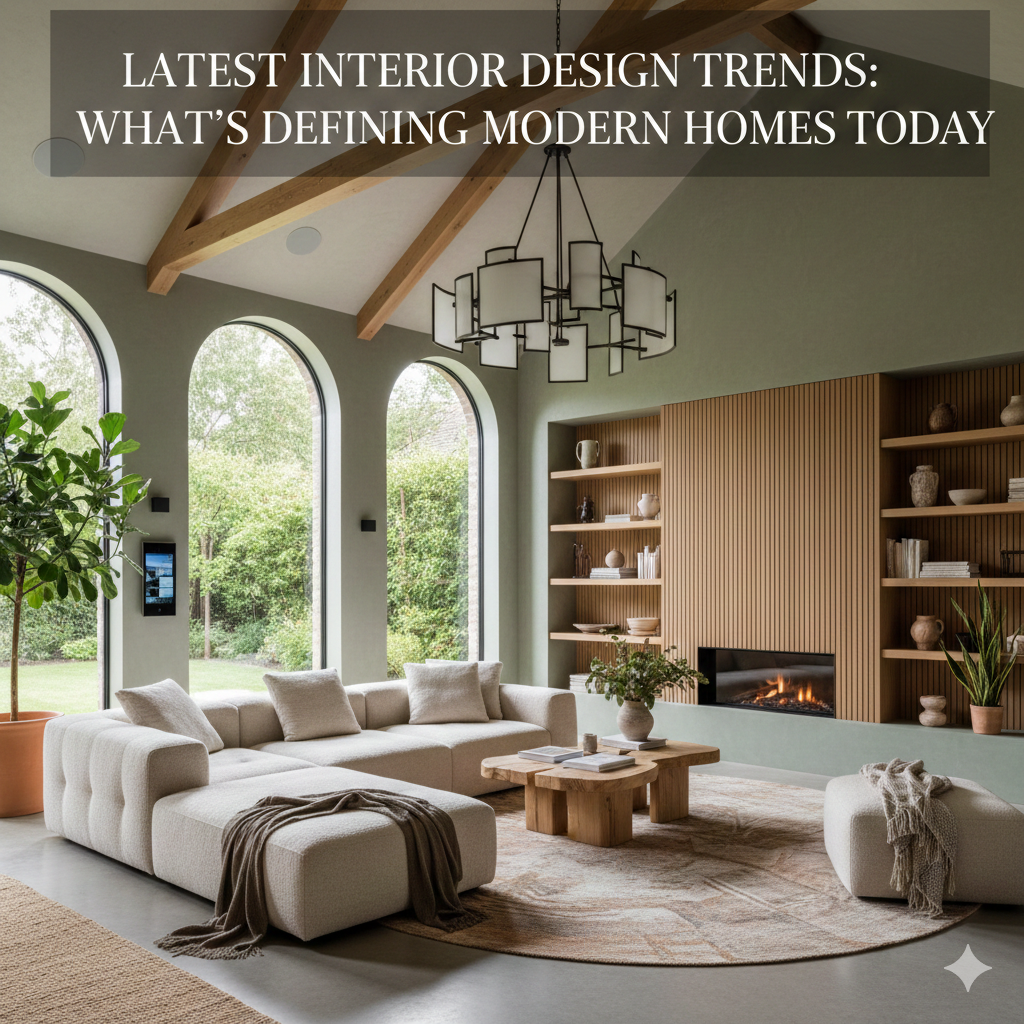
Interior design is constantly evolving, shaped by lifestyle changes, technology, sustainability, and personal expression. The latest interior design trends focus on creating spaces that are not only visually appealing but also functional, comfortable, and emotionally engaging. Modern homes are moving away from rigid design rules and embracing warmth, individuality, and purpose-driven aesthetics.
Whether you are renovating your home or planning a new interior project, understanding the latest trends can help you create a timeless yet contemporary space.
1. Personalized and Eclectic Interiors
One of the biggest shifts in modern interior design is the move away from uniform, showroom-style spaces. Homeowners are now embracing eclectic design, where different styles, eras, and textures are thoughtfully mixed.
Instead of perfectly matched furniture sets, designers are combining vintage pieces with modern elements, layered decor, and personal artifacts. This trend allows interiors to feel unique, lived-in, and reflective of individual personality rather than generic design formulas.
2. Nature-Inspired and Biophilic Design
Bringing nature indoors continues to be a dominant interior design trend. Biophilic design focuses on strengthening the connection between indoor spaces and the natural world.
Key elements include:
- Indoor plants and vertical gardens
- Natural materials like wood, stone, clay, and linen are widely used to create warm, organic interiors.
- Large windows that maximize natural light
- Earth-inspired textures and finishes
This approach not only enhances aesthetics but also promotes mental well-being, reduces stress, and improves overall comfort within the home.
3. Warm, Rich, and Earthy Color Palettes
Neutral tones are evolving into warmer and more expressive color palettes. While whites and greys still have a place, they are now complemented or replaced by rich, moody, and earthy hues.
Popular color choices include:
- Deep greens and olive tones
- Warm browns and caramel shades
- Terracotta, rust, and clay colors
- Muted blues and charcoal accents
These colors add depth and emotion, creating inviting interiors that feel cozy yet sophisticated.
4. Textured Surfaces and Layered Materials
Flat and overly smooth interiors are being replaced by texture-rich environments. Designers are using materials and finishes that add depth and visual interest to walls, floors, and furniture.
Trending textured elements include:
- Limewash and plastered walls
- Fluted wood panels and 3D wall designs
- Natural stone and handcrafted tiles
- Layered fabrics such as wool, cotton, and linen
Texture plays a crucial role in making spaces feel warm, dynamic, and luxurious without overwhelming the design.
5. Curved and Comfortable Furniture
Furniture design is shifting toward soft, organic shapes that prioritize comfort. Sharp edges and rigid forms are being replaced by rounded silhouettes and plush seating.
Key furniture trends include:
- Curved sofas and armchairs
- Oversized seating for relaxation
- Sculptural coffee tables and accent chairs
- Upholstery in soft, tactile fabrics
This trend enhances both comfort and aesthetics, making furniture a central design feature rather than just a functional element.
6. Sustainable and Eco-Conscious Design
Sustainability is no longer optional—it is a core principle of modern interior design. Homeowners and designers are prioritizing environmentally responsible choices that reduce waste and promote longevity.
Sustainable interior design focuses on:
- Reclaimed and recycled materials
- Energy-efficient lighting and appliances
- Low-VOC paints and finishes
- Durable, long-lasting furniture
Eco-friendly interiors not only benefit the environment but also create healthier living spaces for occupants.
7. Smart Homes with Seamless Technology
Technology is becoming an integral part of interior design, but the focus is on subtle and integrated solutions rather than visible gadgets.
Modern smart home features include:
- Automated lighting and climate control
- Voice-controlled systems
- Smart security and energy monitoring
- Hidden wiring and minimalist installations
The goal is to enhance convenience and efficiency while maintaining a clean, uncluttered aesthetic.
8. Multifunctional and Flexible Spaces
As lifestyles continue to change, interiors are becoming more adaptable. Homes now need to support work, relaxation, entertainment, and wellness within the same space.
Design solutions include:
- Modular furniture
- Convertible rooms and movable partitions
- Built-in storage to reduce clutter
- Multi-purpose living and dining areas
This trend is especially valuable for smaller homes and urban living environments.
9. Statement Lighting as a Design Feature
Lighting is no longer just functional—it is now a major design element. Statement lighting fixtures are being used to define spaces and add personality.
Popular lighting trends include:
- Sculptural pendant lights
- Warm ambient lighting
- Layered lighting systems
- Decorative wall sconces and floor lamps
Well-planned lighting enhances mood, highlights textures, and elevates the overall interior design.
10. Handmade, Artisanal, and Meaningful Decor
There is an increasing appreciation for craftsmanship and authenticity in modern interior design. Handcrafted decor items and artisanal furniture pieces are being favored over mass-produced products.
This trend includes:
- Handmade ceramics and pottery
- Custom furniture and woodwork
- Vintage and upcycled decor
- Artwork with personal or cultural significance
These elements bring character, depth, and emotional value to modern interiors.
Conclusion
The latest interior design trends reflect a move toward comfort, sustainability, individuality, and emotional connection. Modern interiors are no longer about following strict rules but about creating meaningful spaces that support everyday living.
By blending natural elements, rich textures, thoughtful layouts, and smart technology, homeowners can design interiors that are stylish, functional, and future-ready. Whether you prefer a minimalist approach or a layered, expressive style, today’s trends offer endless opportunities to create a home that truly feels like your own.