
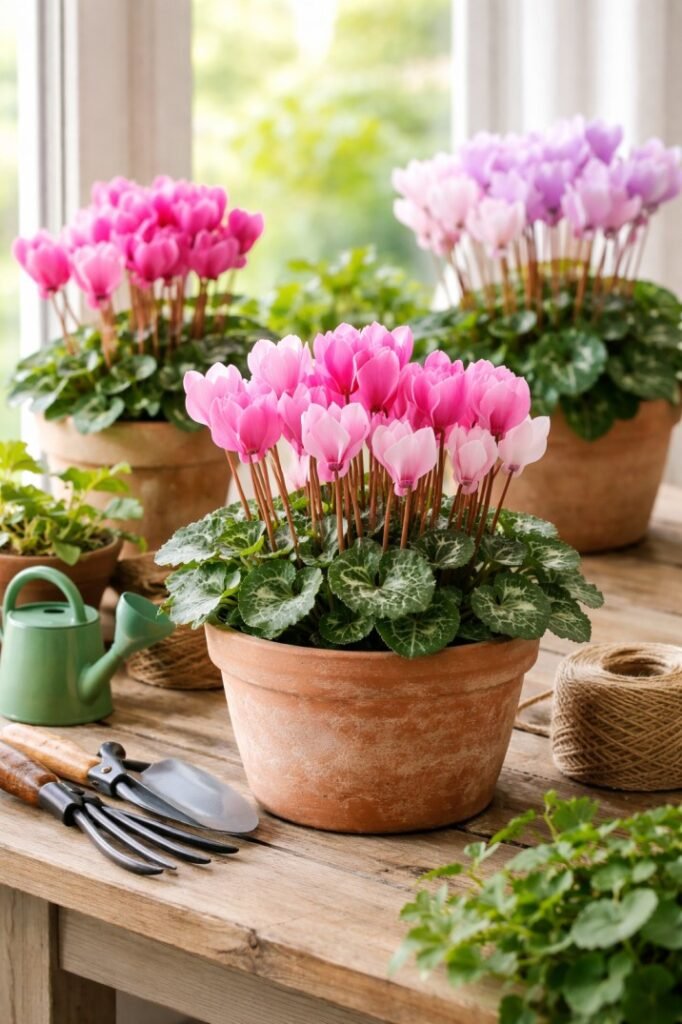
Cyclamen is one of the most elegant flowering plants you can grow at home or in your garden. Known for its butterfly-like blooms and beautifully patterned leaves, it brings vibrant color during the colder months when most plants are dormant. Many beginners assume cyclamen is difficult to grow, but the truth is quite the opposite. Once you understand its natural growing conditions, it becomes a low-maintenance and rewarding plant.
In this detailed guide from Builtup Home, you’ll learn everything you need to successfully grow cyclamen—from planting and watering to seasonal care and common mistakes to avoid.
Understanding Cyclamen Before You Grow It
Cyclamen is a tuberous perennial plant, meaning it grows from a thick underground storage structure called a tuber. This tuber stores energy, allowing the plant to survive dry or inactive periods.
Native to Mediterranean regions, cyclamen naturally grows in cool, shaded environments with well-drained soil. This is the key to growing it successfully at home: mimicking its natural habitat.
The plant produces flowers in shades of pink, red, white, and purple, often rising above heart-shaped, silver-patterned leaves that remain attractive even when the plant is not flowering.
Choosing the Right Growing Conditions
If you want healthy blooms and long-lasting plants, start by creating the right environment.
Light Requirements
Cyclamen prefers bright but indirect light. Too much direct sunlight can scorch the leaves and shorten the blooming period. Indoors, place it near an east- or north-facing window. Outdoors, it grows best under trees or shaded patios.
Temperature
Cyclamen is a cool-loving plant. The ideal temperature range is 10°C to 21°C (50°F to 70°F). Warm temperatures cause the plant to stop flowering early and enter dormancy.
Avoid placing cyclamen near heaters, fireplaces, or hot indoor spots.
Best Soil for Cyclamen Growth
Soil is one of the most important factors in cyclamen care. The plant needs soil that is:
- Light and loose
- Well-draining
- Slightly rich in organic matter
A perfect beginner-friendly mix includes:
- Potting soil
- Sand or perlite (for drainage)
- A small amount of compost
Heavy or water-retaining soil should be avoided, as it can cause tuber rot very quickly.
How to Plant Cyclamen Step-by-Step
Planting cyclamen correctly ensures strong growth and healthy flowering.
- Select a firm, healthy tuber (avoid soft or damaged ones)
- Fill a pot or garden bed with well-draining soil
- Place the tuber about 2–3 cm deep
- Keep the top slightly exposed or just under the soil surface
- Space multiple plants for proper air circulation
- Water lightly after planting
👉 Important tip: Planting too deep is one of the most common beginner mistakes and can prevent flowering.
Watering Cyclamen the Right Way
Cyclamen has very specific watering needs, and this is where many beginners struggle.
The golden rule is: Never overwater.
Best watering practices:
- Water only when the soil feels slightly dry
- Use bottom watering if possible
- Avoid pouring water directly into the center of the plant
- Reduce watering during dormancy
Overwatering is the number one cause of cyclamen failure because it leads to tuber rot.
Feeding and Fertilizer Tips
Cyclamen does not require heavy feeding, but light fertilization helps support blooming.
- Use a balanced liquid fertilizer every 3–4 weeks during active growth
- Stop feeding when the plant stops growing or enters dormancy
- Avoid strong fertilizers that promote leafy growth instead of flowers
Less is always better when it comes to cyclamen feeding.
Understanding the Cyclamen Growth Cycle
One of the most important things for beginners is understanding that cyclamen has a natural cycle.
🌸 Active Growing Season (Fall to Spring)
- Plant produces leaves and flowers
- Requires regular but careful watering
- Benefits from light feeding
🌿 Dormant Season (Summer)
- Leaves turn yellow and die back
- Plant appears inactive
- Tuber rests underground
- Watering should be reduced significantly or stopped
This dormancy phase is completely normal and essential for the plant’s long-term health.
Common Cyclamen Problems and Solutions
Even with good care, cyclamen may show signs of stress. Here’s how to fix the most common issues:
Yellow Leaves
Cause: Heat or overwatering
Solution: Move plant to a cooler area and reduce watering
Wilting Flowers
Cause: Natural aging or underwatering
Solution: Remove dead flowers and adjust watering schedule
Root or Tuber Rot
Cause: Poor drainage or excess water
Solution: Improve soil drainage immediately and reduce watering
Outdoor Cyclamen Care Tips
If you are growing cyclamen outdoors:
- Choose shaded or semi-shaded areas
- Avoid direct afternoon sun
- Ensure soil drains well after rain
- Use mulch to maintain soil temperature
Outdoor cyclamen often naturalizes beautifully in gardens when conditions are right.
Indoor Cyclamen Care Tips
For indoor growing:
- Keep near a bright window without direct sunlight
- Maintain cool room temperature
- Avoid dry air from heaters or AC units
- Remove faded flowers regularly to encourage new blooms
- Rotate the pot occasionally for balanced growth
Simple Beginner Care Summary
If you are just starting, remember these key rules:
✔ Cool environment is essential
✔ Bright indirect light only
✔ Well-draining soil is a must
✔ Water only when soil is dry
✔ Respect the dormancy period
Following these basics will keep your cyclamen healthy and blooming year after year.
Final Thoughts
Cyclamen is a stunning plant that rewards patience and proper care. While it may seem delicate, it is actually quite hardy once you understand its needs. By providing the right temperature, light, and watering routine, even beginners can enjoy long-lasting blooms.
At Builtup Home, we believe that successful gardening starts with understanding nature rather than fighting it—and cyclamen is a perfect example of that balance.